
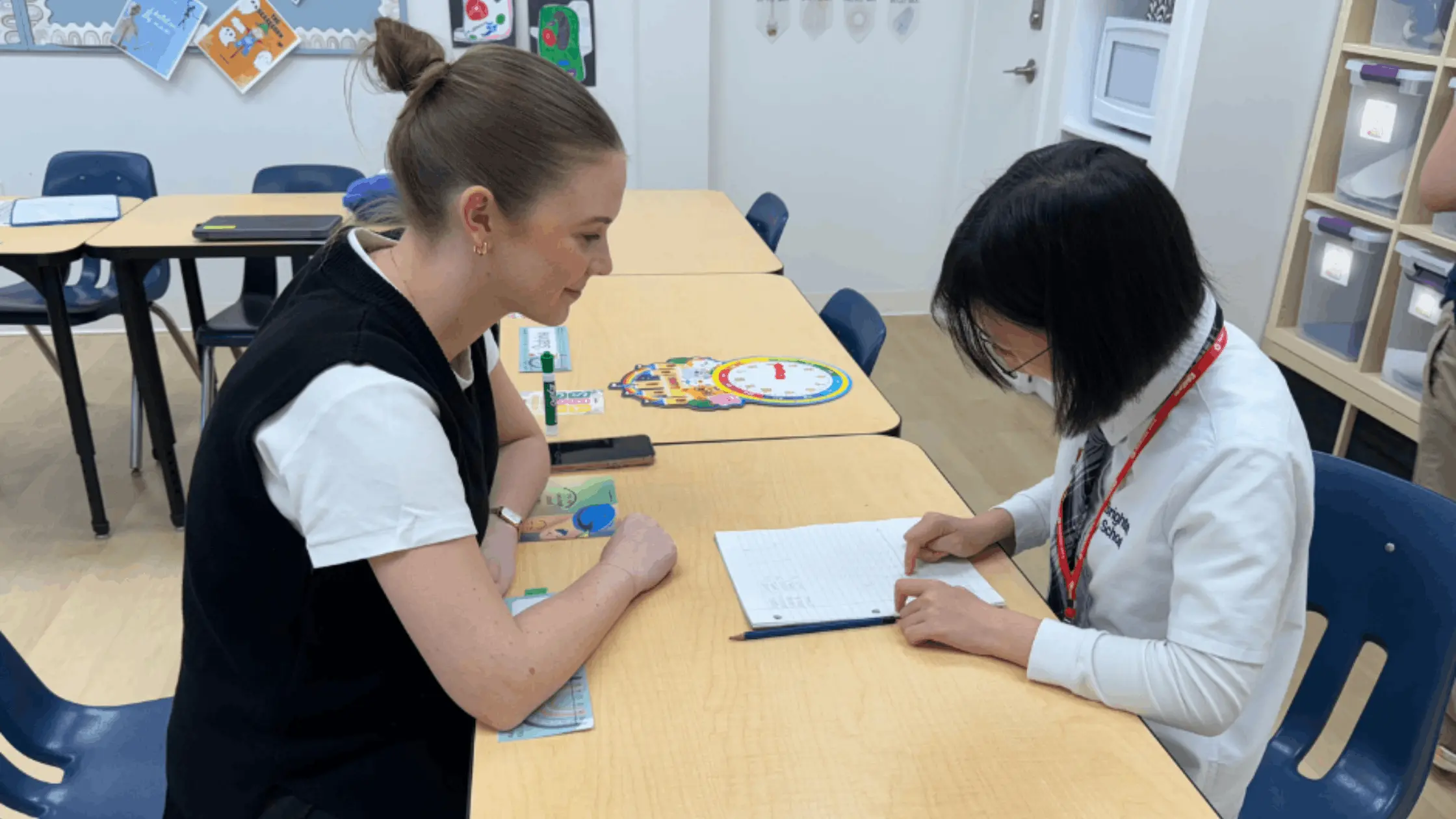
Understanding what happens inside special needs classes offers valuable insight into how structured instruction supports students with diverse learning needs. At Brighton School, teaching is carefully designed to support learners with cognitive impairment, intellectual challenges, developmental challenges, cognitive delays, and other cognitive disabilities. The focus remains on building foundational academic skills while strengthening confidence and independence over time.
Brighton School’s approach reflects the understanding that students benefit from structured, responsive instruction delivered in small learning environments. Teaching methods are grounded in Individual Education Planning, research-informed strategies, and consistent progress monitoring.
Individual Education Planning That Guides Instruction
A central element of the Brighton School’s model is the development of Individual Education Plans (IEPs). These plans outline clear academic goals and ensure instruction responds directly to each student’s learning profile.
IEPs focus on:
- Identifying academic strengths and learning gaps
- Addressing reading, writing, and mathematics development
- Supporting students with cognitive delays and intellectual challenges
- Providing appropriate accommodations/modifications
In special needs classes, this structured planning allows educators to move at a pace aligned with demonstrated readiness. For students with cognitive impairment or developmental challenges, this alignment reduces frustration and promotes steady academic growth.
Small Learning Groups That Allow Precision Teaching
Brighton School organizes students into small learning groups, often consisting of four to six learners. This structure allows teachers to observe how students process information and adjust instruction accordingly.
Within these groups:
- Teachers monitor comprehension in real time
- Students receive targeted support during lessons
- Instruction responds to readiness rather than fixed grade pacing
This focused environment benefits students with cognitive disabilities by reducing overwhelm and creating a calm, structured space for learning.
Evidence-Based Reading and Mathematics Instruction
Brighton School integrates research-informed methods into its special education programs. In reading, Direct Instruction strategies help students strengthen decoding, fluency, and comprehension skills. These structured lessons provide modelling and guided practice to reinforce understanding.
In mathematics, the Singapore Math approach supports conceptual learning. Students develop a clear understanding of mathematical relationships before moving into procedural work. This approach supports learners with cognitive delays by building confidence through conceptual clarity.
These teaching methods reflect Brighton School’s commitment to strengthening core academic foundations in measurable ways.
Writing Development Through Structured Practice
Writing instruction follows a process-based approach that helps students organize ideas and express them clearly. Teachers guide students through drafting, revising, and refining their work.
Instruction includes:
- Modelling of sentence and paragraph structure
- Scaffolded writing supports
- Multi-sensory strategies that reinforce engagement
For students with intellectual challenges or developmental challenges, this structured writing model supports clarity and gradual skill development.
Continuous Progress Monitoring and Flexible Grouping
An essential component of Brighton School’s special education programs is regular progress review. Teachers assess academic development frequently and adjust instruction or learning groups when needed.
This process ensures:
- Academic growth remains measurable
- Group placement reflects readiness
- Instruction aligns with evolving skill levels
For students with cognitive impairment or cognitive disabilities, this ongoing monitoring supports steady development and reinforces visible progress over time.
Technology Integration That Supports Learning
Technology plays a supportive role in Brighton School’s classrooms. Chromebooks and assistive tools are incorporated to enhance organization, written expression, and communication.
Technology supports:
- Assignment tracking and organization
- Structured written responses
- Development of digital literacy skills
These tools complement classroom instruction and assist students with cognitive delays in managing academic responsibilities more independently.
Supporting Social and Emotional Development
Academic progress is closely connected to emotional wellbeing. Within special needs classes, educators support social growth and self-confidence alongside academic learning.
Students benefit from:
- Clear classroom expectations
- Predictable daily routines
- Encouragement to advocate for learning needs
This balanced approach supports learners with developmental challenges in building confidence while strengthening academic skills.
A Continuum of Learning From Elementary Through Secondary
Brighton School offers programs from elementary through secondary levels, providing continuity within a structured educational framework. This long-term support allows students to build foundational skills gradually while preparing for future academic pathways.
The emphasis remains on:
- Strengthening literacy and numeracy
- Encouraging independence
- Supporting learners with cognitive impairment and intellectual challenges
Over time, this consistency supports meaningful growth.
A Structured Environment
Inside Brighton School’s special needs classes, teaching methods are structured, research-informed, and guided by Individual Education Plans. These special education programs address the needs of students with cognitive impairment, cognitive delays, intellectual challenges, developmental challenges, and other cognitive disabilities. Through small learning groups, evidence-based instruction, and ongoing progress monitoring, Brighton School creates an environment where steady academic development and growing independence take place together.